To standardize operational procedures in line with global standards and reaffirm the commitment that “Safety Comes First,” on June 1, 2026, Port of Hai Phong, in collaboration with HaiPhong Port TIL International Terminal Co., Ltd. (HTIT), officially launched the specialized training program: “Enhancing Operational Management Capability and Safety in Port Operations.”
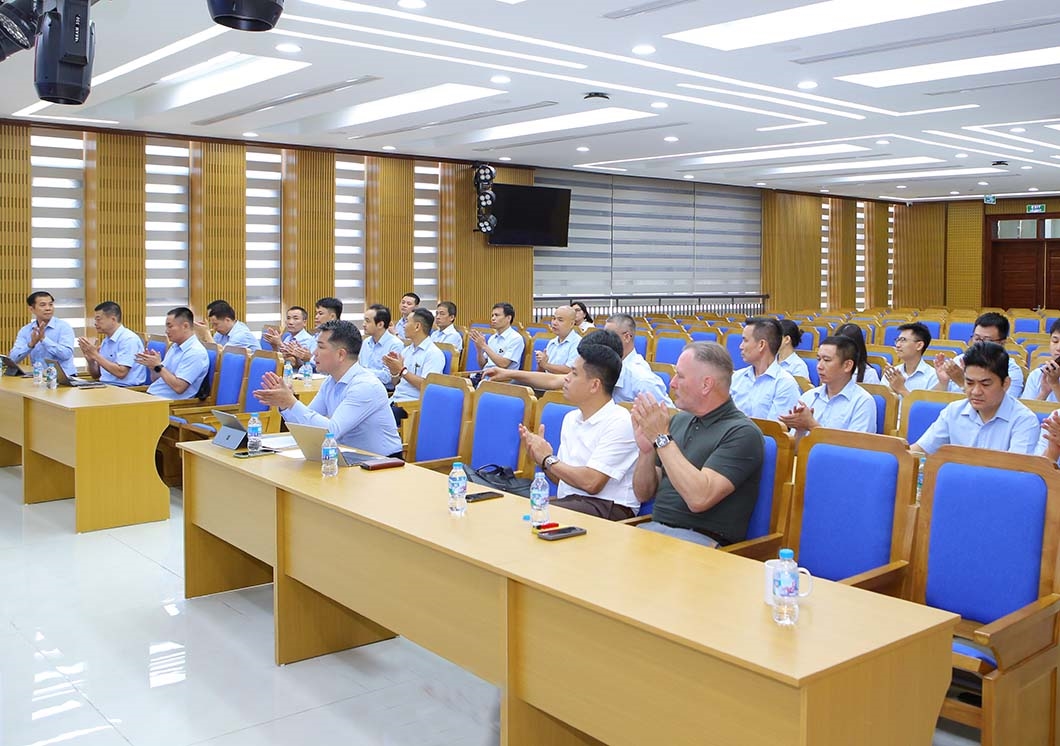
Attending and delivering remarks at the opening session of the training program were Mr. Le Hong Quan, General Director of Port of Hai Phong; Mr. Ngo Trung Hieu, General Director of HTIT; together with special lecturer Mr. Leon Van Hoff, Deputy General Director of HTIT, a world-leading port operations expert with extensive management experience at major global corporations such as APM Terminals, DP World, and TIL.
“Safety First” – Safety is not a barrier, but a driver of productivity
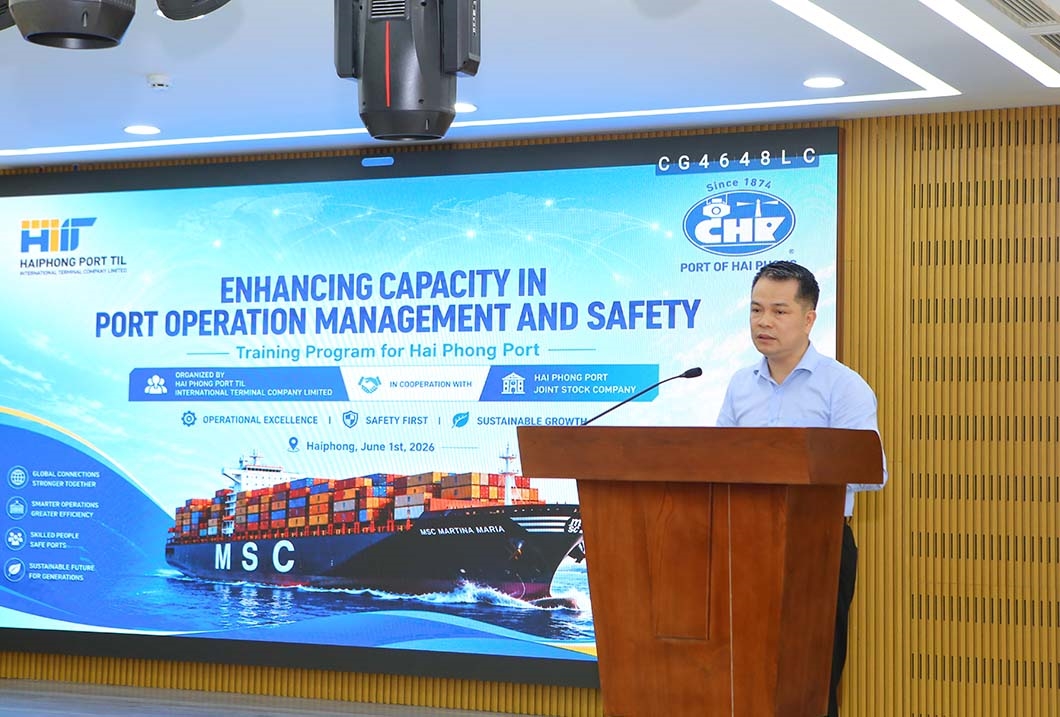
Mr. Le Hong Quan, General Director of Port of Hai Phong, delivered the opening remarks for the training program
In his opening remarks, Mr. Le Hong Quan, General Director of Port of Hai Phong, emphasized the importance of enhancing professional expertise as Port of Hai Phong — a seaport with a 152-year history — is undergoing a strong transformation through deep-water port projects and automation strategies.
Reaffirming the company’s core commitment to the spirit of “Safety First,” the General Director emphasized: “For every employee of Port of Hai Phong, if they come to work at the port in good health, they should also leave work in good health. That is our greatest expectation. Safety is not something that hinders production activities; rather, it makes our operations better.”
To further emphasize this point, the General Director highlighted certain misconceptions about operational “convenience” that may distract other teams and negatively affect overall productivity. He therefore called on both leaders and employees to adopt a holistic perspective and standardize all behaviors based on the principle of absolute safety.
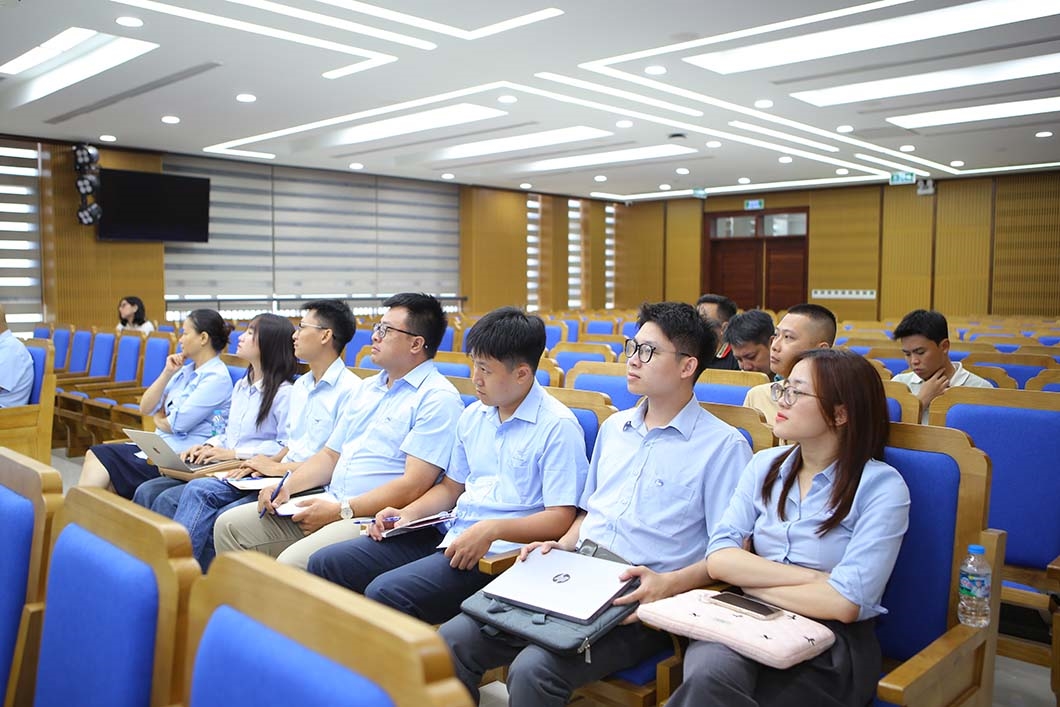
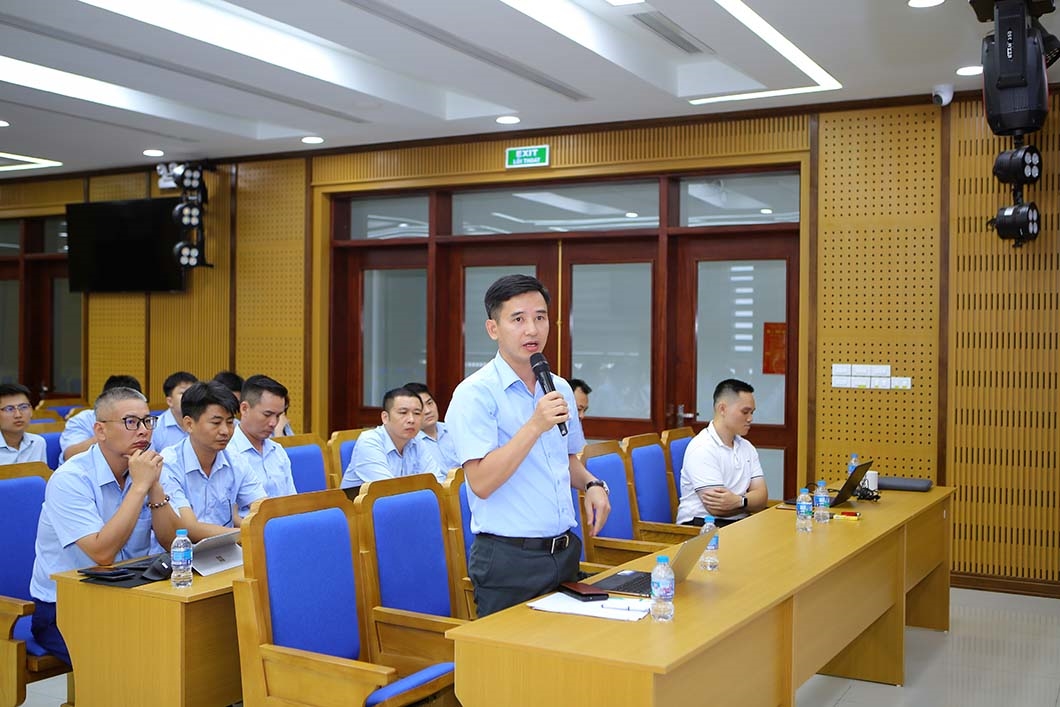
During the training program, 26 core participants from the Business, Engineering, and Operations divisions were introduced to seven critical risk management standards aligned with international practices. The curriculum covered stringent safety regulations for pedestrians, mobile equipment, suspended loads, working at height, marine safety, specialized technical operations, and Lockout/Tagout (LOTO) procedures.
Training the Core Trainer Team
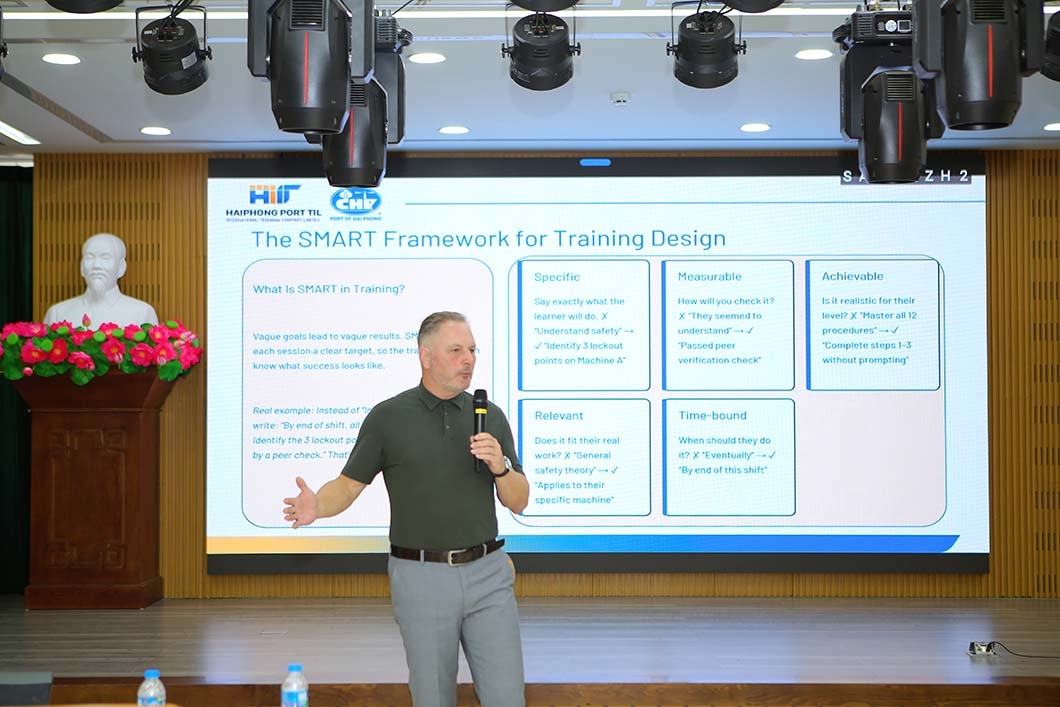
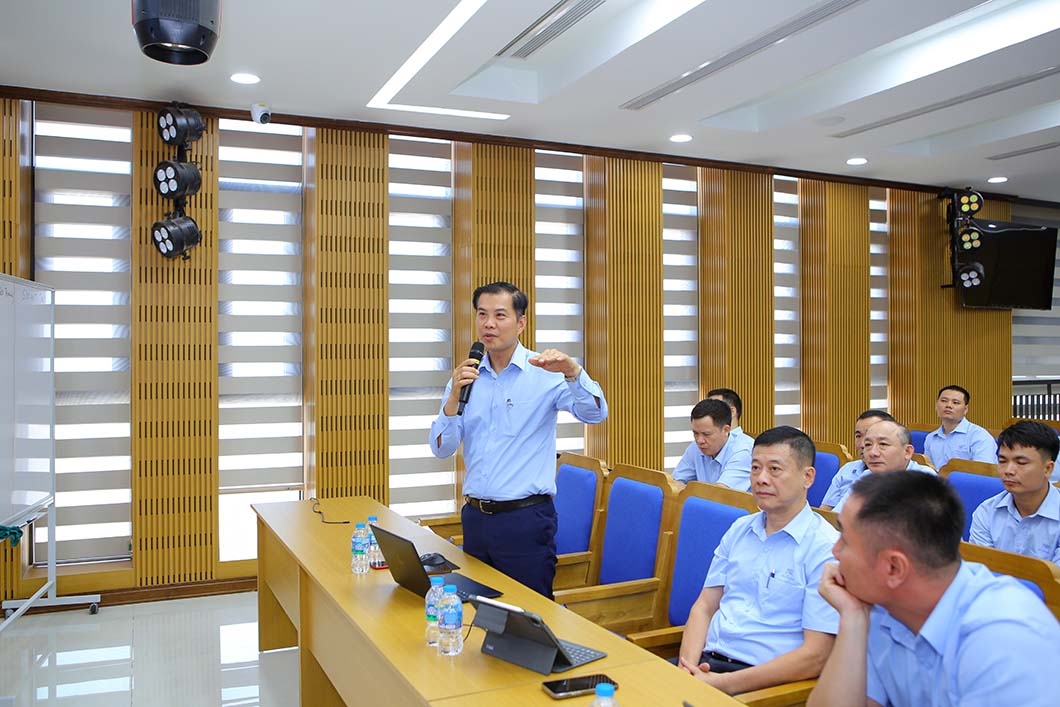
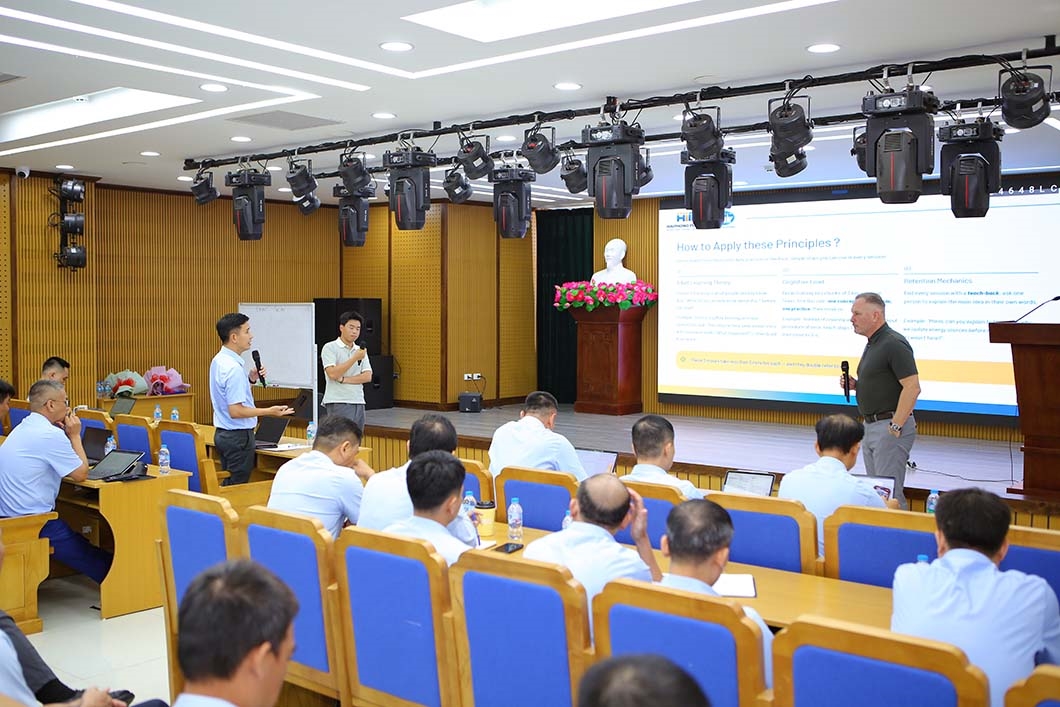
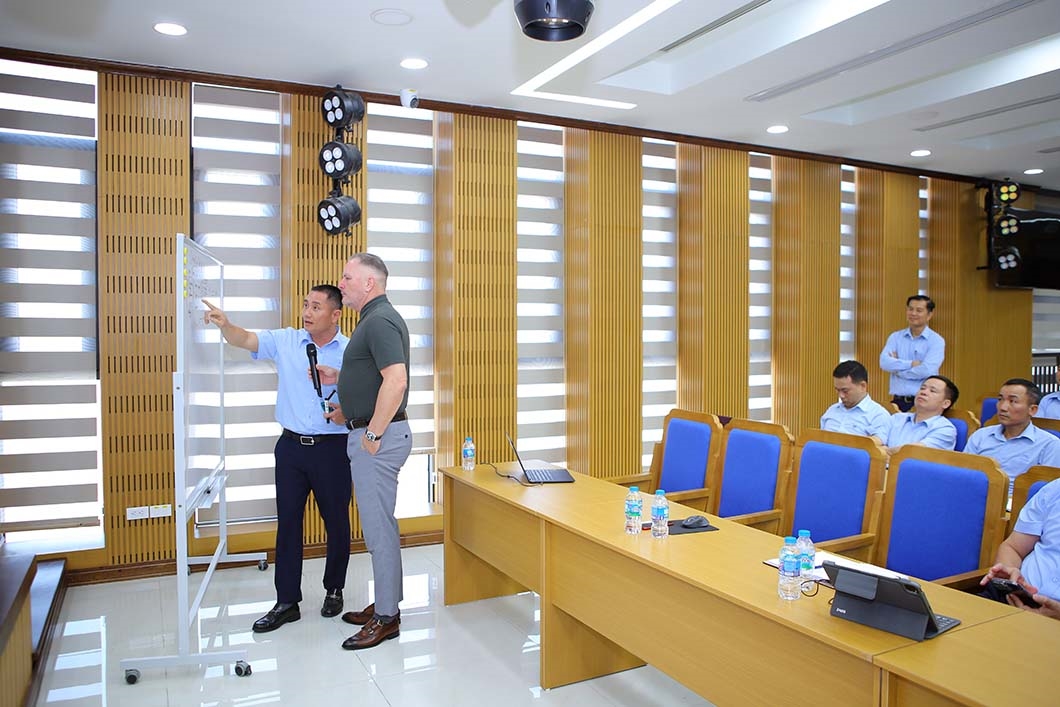
Mr. Leon Van Hoff, Deputy General Director of HTIT, shared insights at the training program
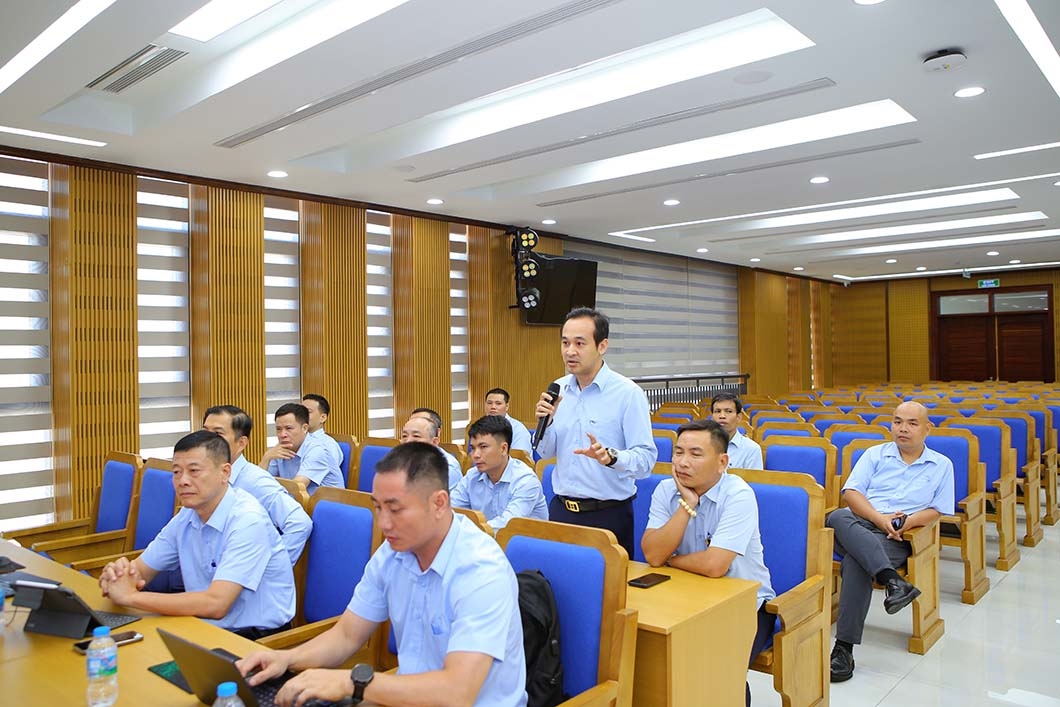
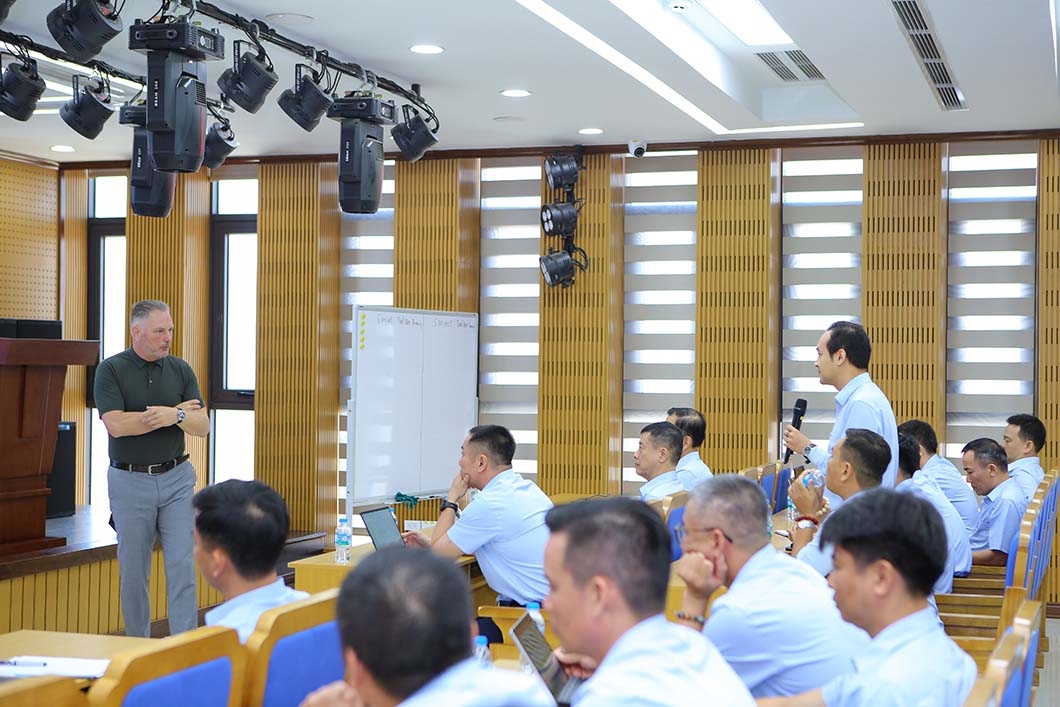
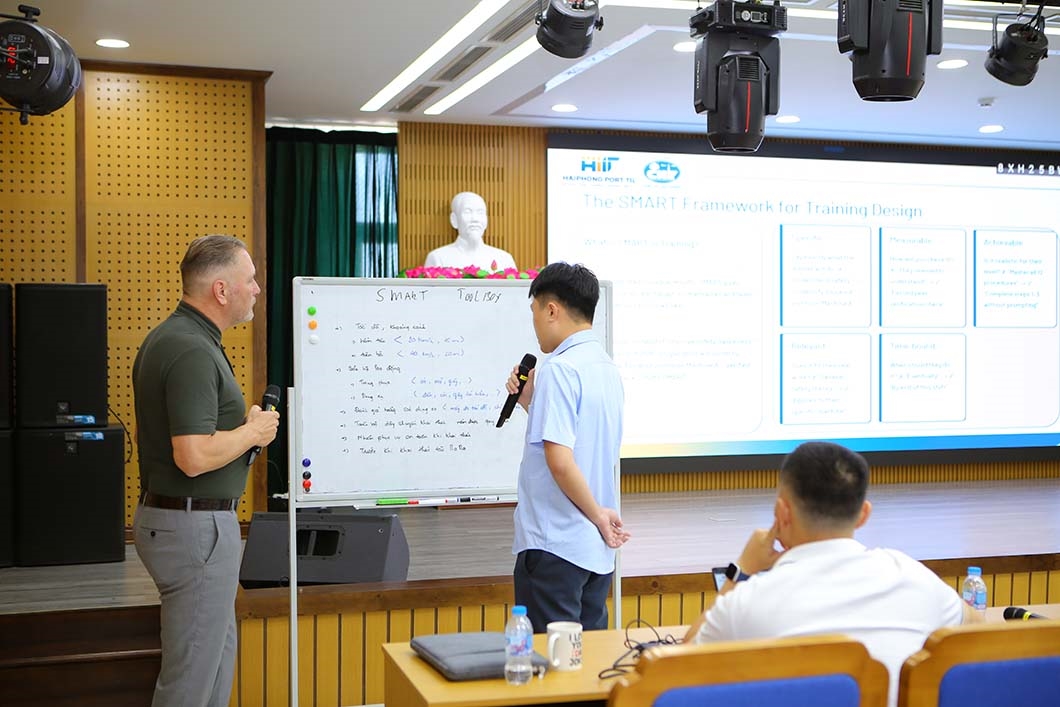
During the training session on June 1, 2026, the 26 core participants not only acquired professional knowledge but were also trained in instructional and facilitation skills. Mr. Leon shared modern principles of behavioral psychology and adult learning (Andragogy). Accordingly, training methods at the port will undergo a significant shift — reducing dry theoretical content while increasing the use of visual materials and real-life operational scenarios. He also emphasized the “72-hour principle,” under which knowledge should be repeatedly practiced to become a sustainable habit. In addition, the SMART goal management framework was introduced to help managers apply more scientific and precise approaches to operational management.
This training program marks the beginning of a long-term development roadmap. Following the train-the-trainer sessions, Port of Hai Phong will continue to implement five “Safety Excellence” modules through the end of 2026. Subsequently, the multi-level “Operational Excellence” program will be carried out through mid-2027 to standardize competencies for directors, department heads, and management personnel across the port.
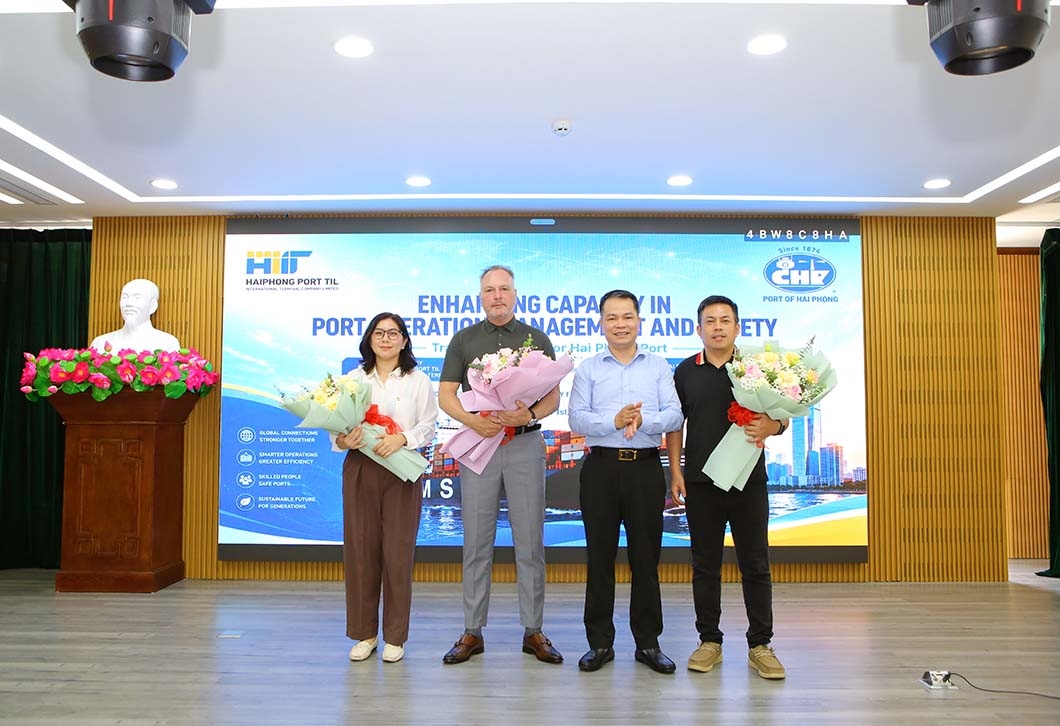
Mr. Le Hong Quan, General Director of Port of Hai Phong, presented flowers in appreciation to the trainers participating in the training program
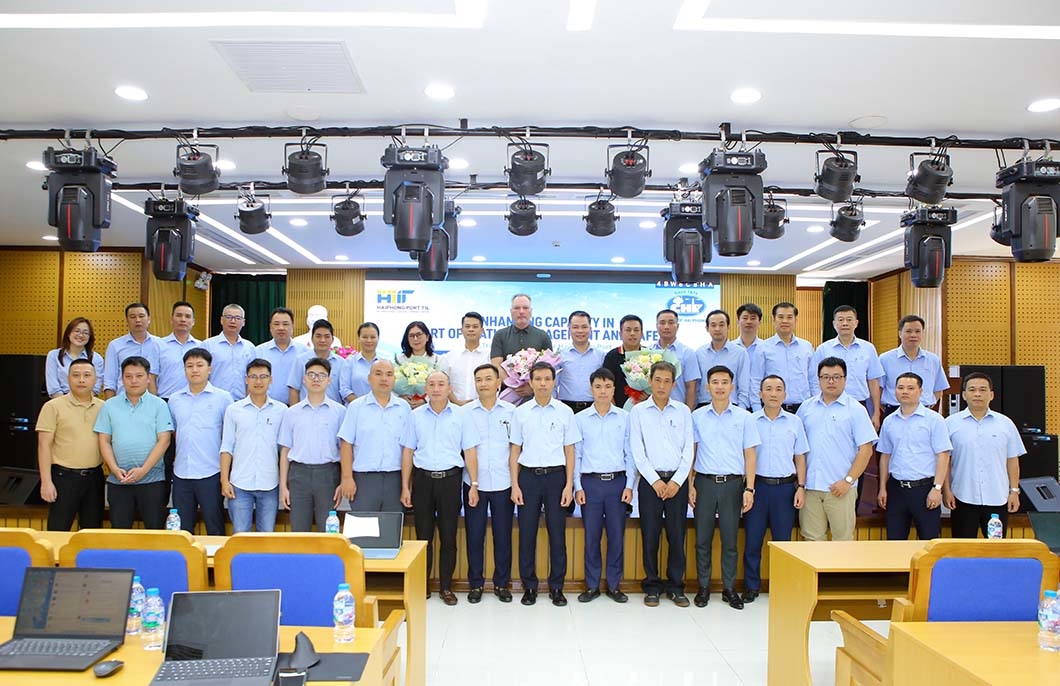
Participants took a commemorative photo with representatives of the leadership of Port of Hai Phong and HTIT
By leveraging the internal strengths of experts working at HTIT and affiliated units, Port of Hai Phong continues to foster a culture of continuous learning and standardize management and operational practices across the entire system in line with advanced standards of the port industry. These efforts contribute to enhancing productivity and service quality, while meeting development requirements in the process of digital transformation, green transition, and international integration.
Some highlights from the program:
 1800.55.55.22